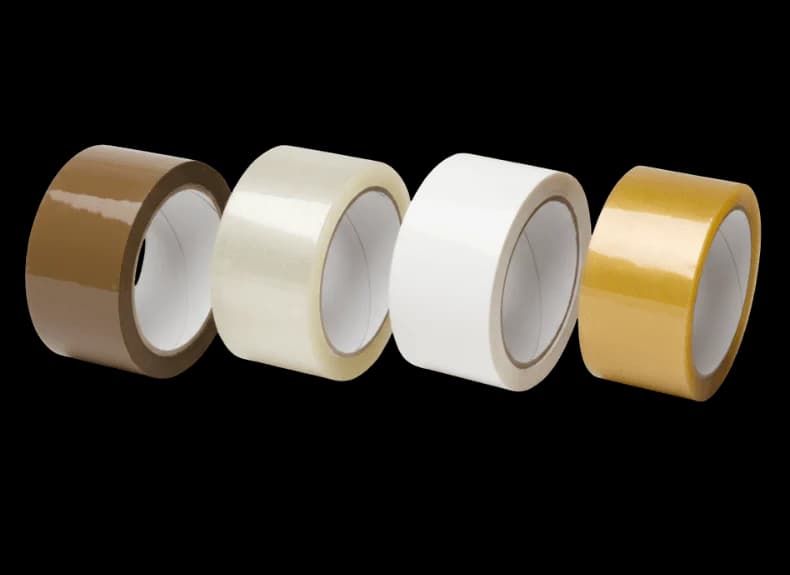


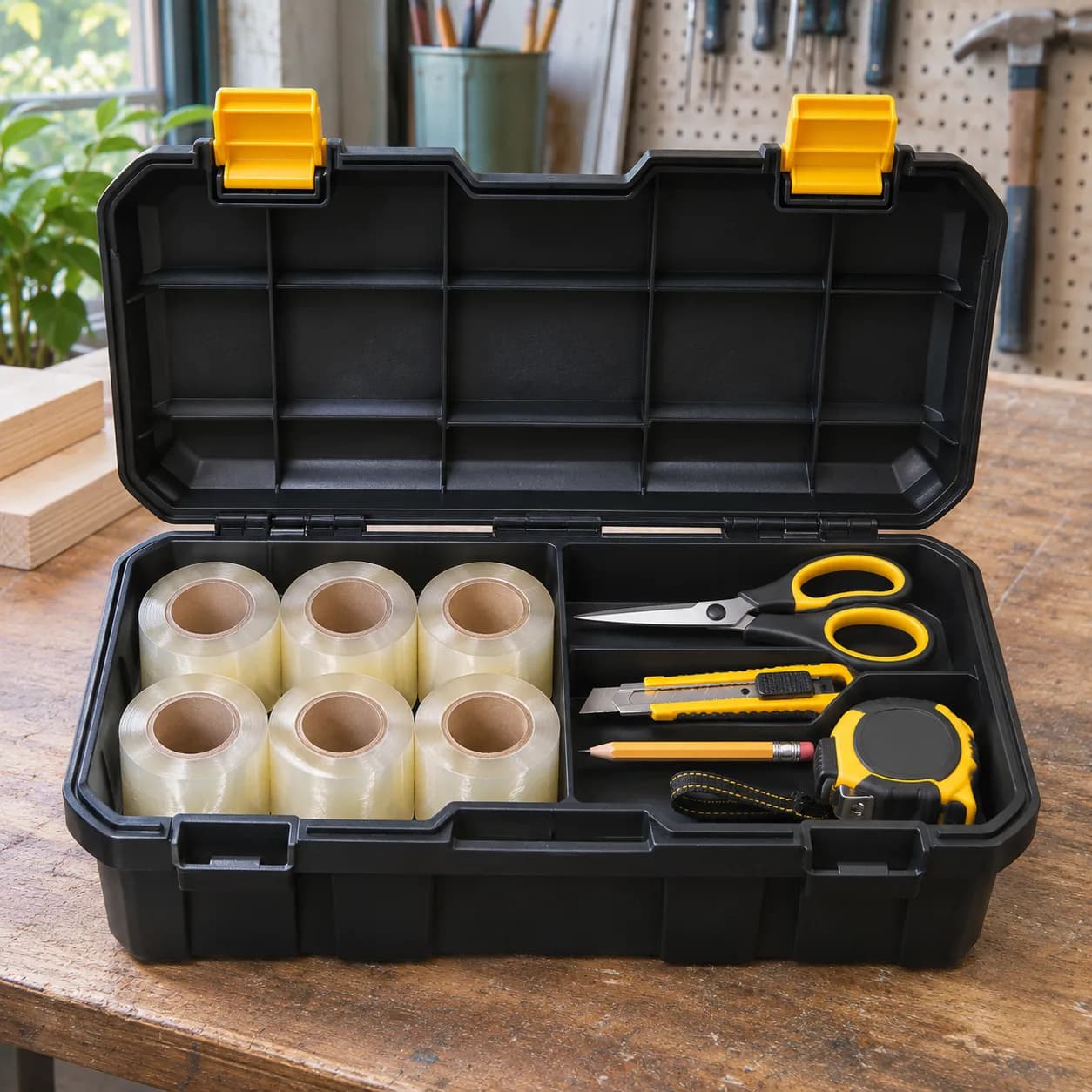

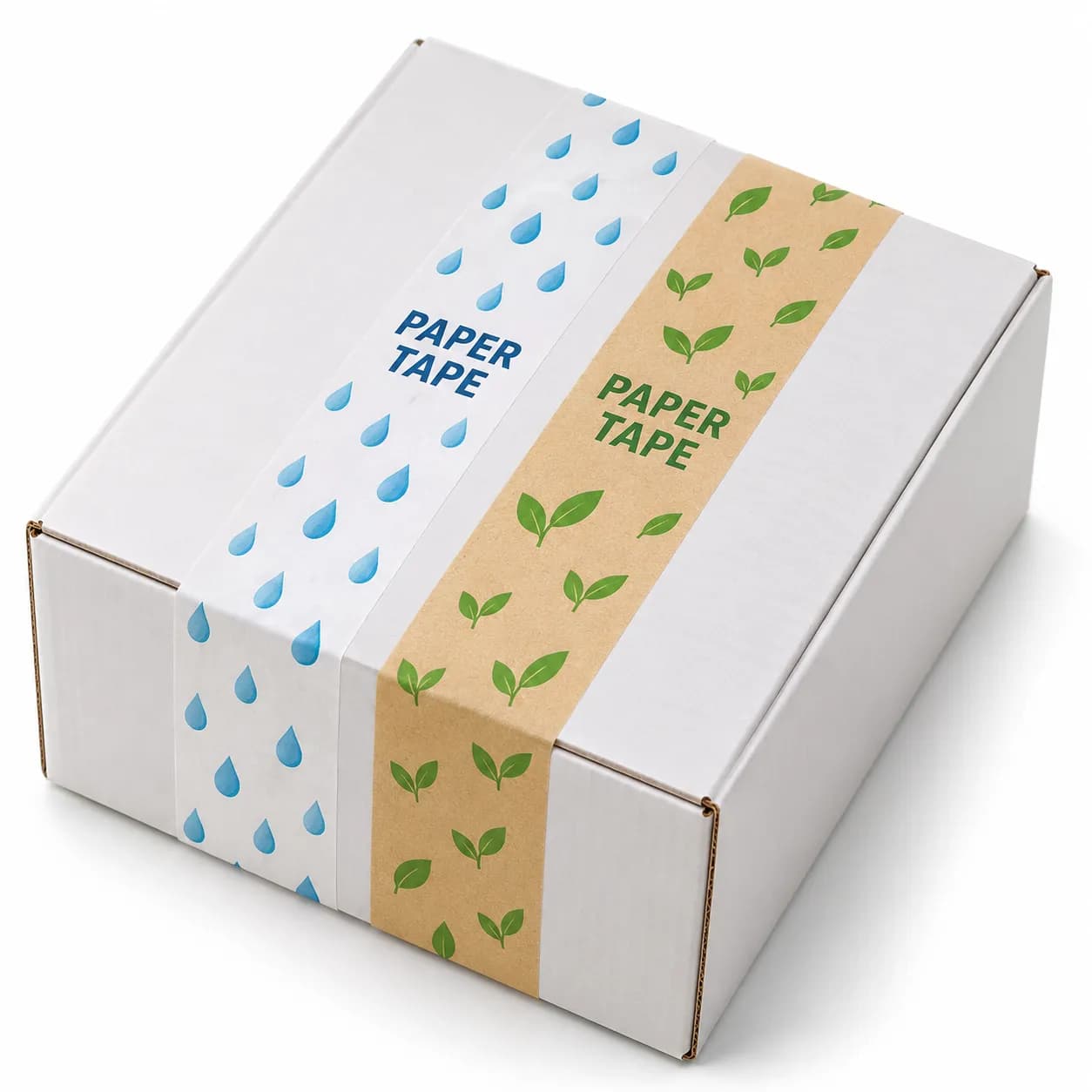
Walk into any warehouse in Pakistan and you will see two kinds of tape on the cartons: brown paper tape that looks part of the box, and shiny plastic packing tape in clear, brown or a printed design. Both close a carton, but they work in very different ways, and the right choice depends on what you ship and how it travels.
What is gum tape?
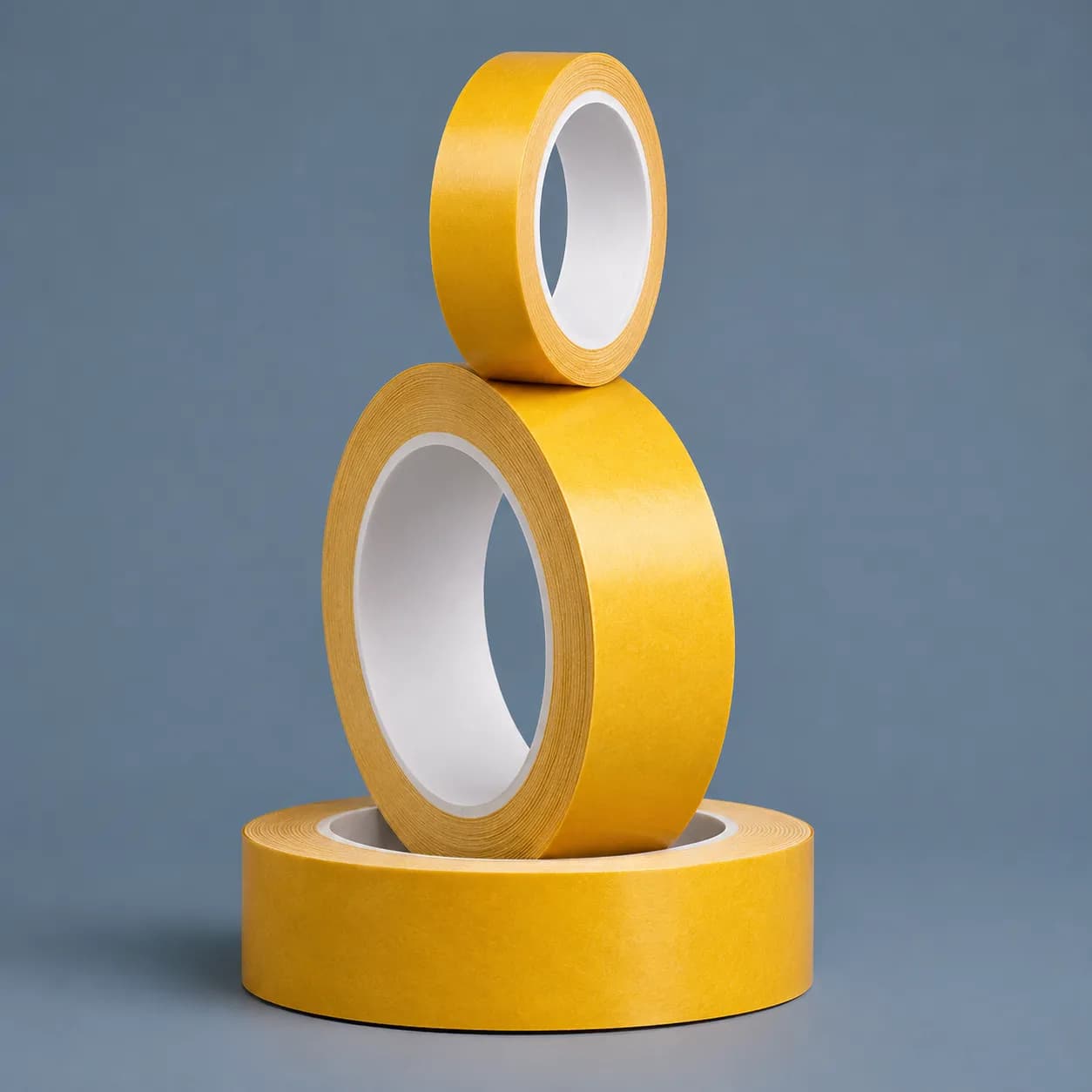
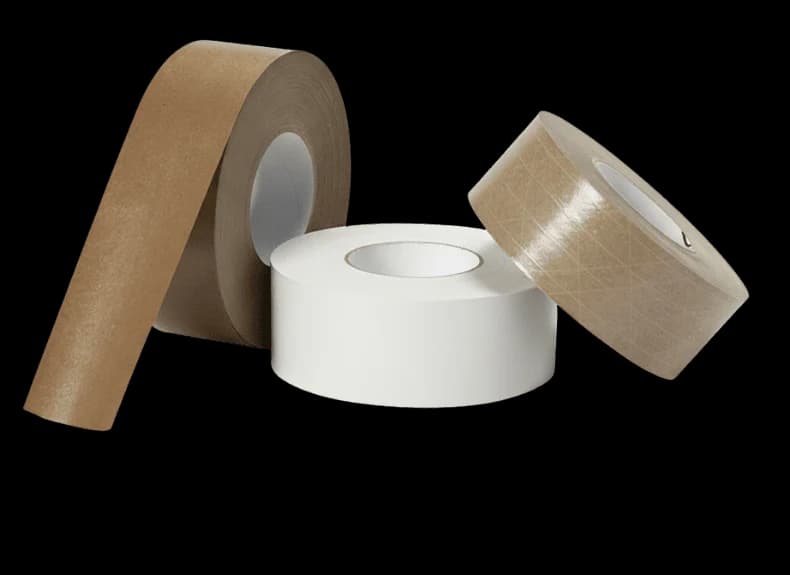
Gum tape, also called gummed paper tape or water-activated tape, is kraft paper coated on one side with a dry adhesive, usually starch-based. The adhesive is not sticky until it is wetted, normally by a tape dispenser with a water tank. Once wet and pressed onto the carton, the adhesive soaks into the cardboard fibres and dries into a bond with the box itself.
- It becomes part of the box. The bond is with the fibres, so the tape cannot be lifted off and stuck back again without tearing the carton.
- It shows tampering. If someone opens the box, the torn paper is easy to see.
- It is paper. A carton sealed with paper tape is all paper, which many brands prefer for their image and for recycling.
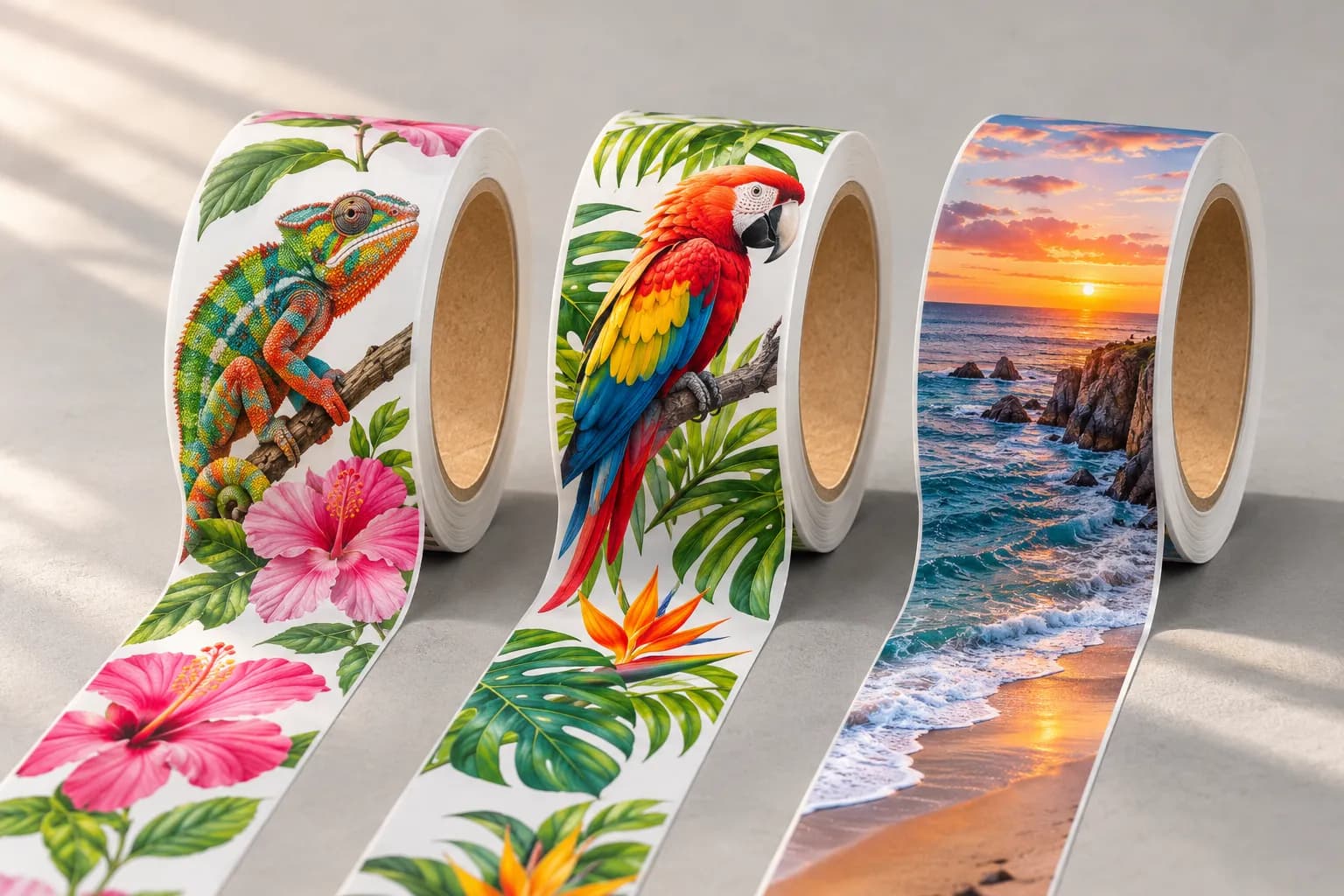
- It takes print well. A logo printed on kraft paper tape looks natural and premium.
Some gummed tapes are reinforced with glass-fibre threads inside the paper for heavier cartons.
What is packing tape?
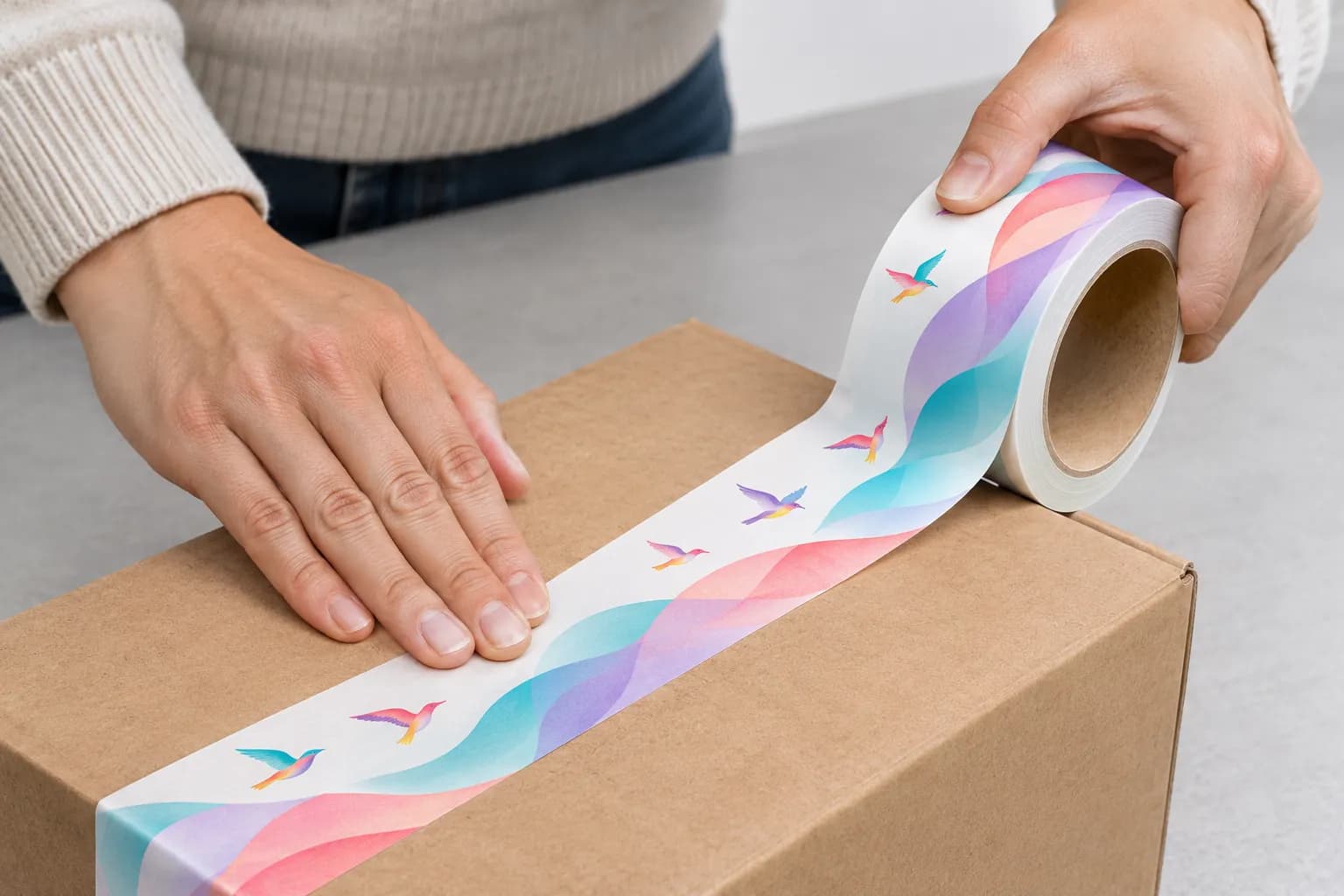
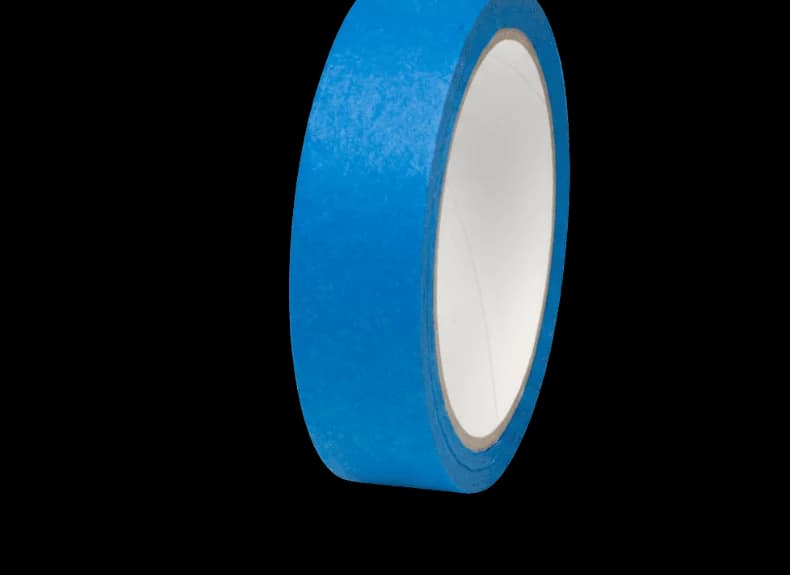
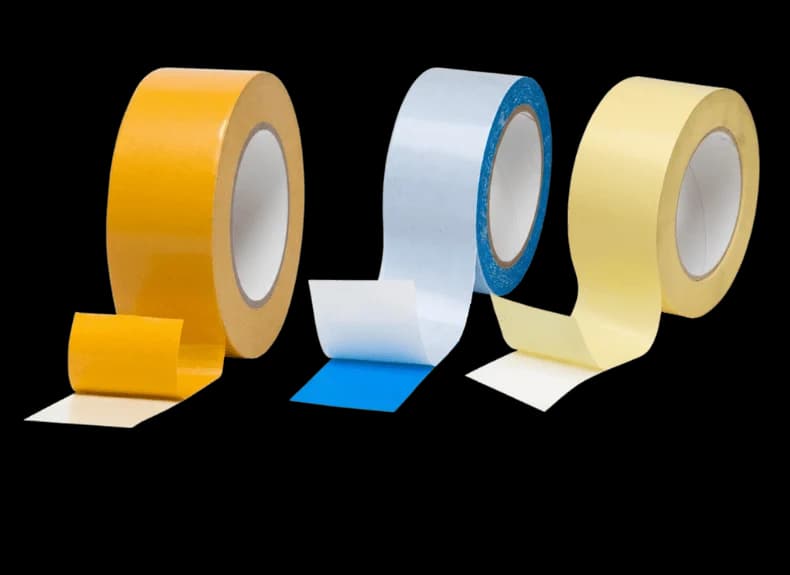
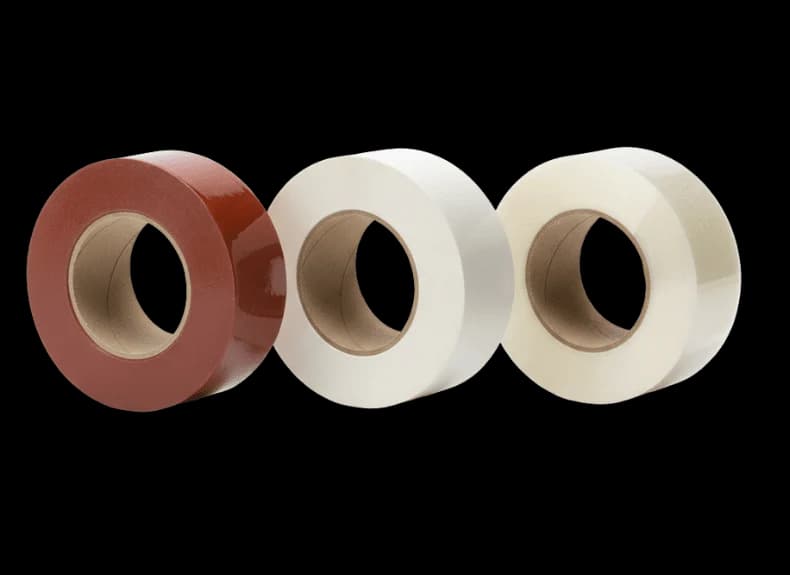
Packing tape (also called BOPP tape or carton sealing tape) is a thin plastic film, biaxially oriented polypropylene, with a pressure-sensitive adhesive. It sticks the moment it is pressed on, needs no water and can be applied by hand, with a tape gun or on a carton sealing machine. The two common adhesives are:
- Acrylic: very clear, ages well and copes with sunlight and a wide range of temperatures. A good all-round choice for storage and long transport.
- Hot melt: grabs fast and strongly, which helps on recycled or dusty cartons and on busy packing lines.
Side by side
- How it sticks: gum tape bonds into the fibres after wetting; packing tape sticks on contact.
- Equipment: gum tape is normally applied with a water dispenser; packing tape needs only a hand, a tape gun or a sealing machine.
- Tamper evidence: gum tape tears visibly if opened; plastic tape can sometimes be peeled and replaced.
- Surfaces: gum tape is made for cardboard; packing tape also sticks to plastic, bags and other smooth surfaces.
- Look: gum tape gives an all-paper, natural finish; packing tape can be clear so the carton print shows through, or printed in your colours.
Which one should you choose?
Choose gum tape when you ship valuable goods and want to see at once if a box was opened, when you sell online and want an all-paper parcel that looks good when it arrives, or when you want a printed kraft tape that matches a natural brand.
Choose packing tape when you seal a high number of cartons fast, when cartons are sealed on a machine, when you need to tape something other than cardboard, or when you want a clear tape that shows the box print underneath.
Many businesses use both: printed packing tape for everyday dispatch, and gum tape for high-value orders.
From Polo Packages
We supply gummed paper tape plain or printed with your logo, 48 to 72 mm wide, and packaging tape in clear, brown and coloured BOPP with acrylic or hot melt adhesive, 24 to 72 mm wide. Both can be printed with your brand. Tell us what you ship and how many cartons you seal a day, and we will suggest the right tape: request a quote.