

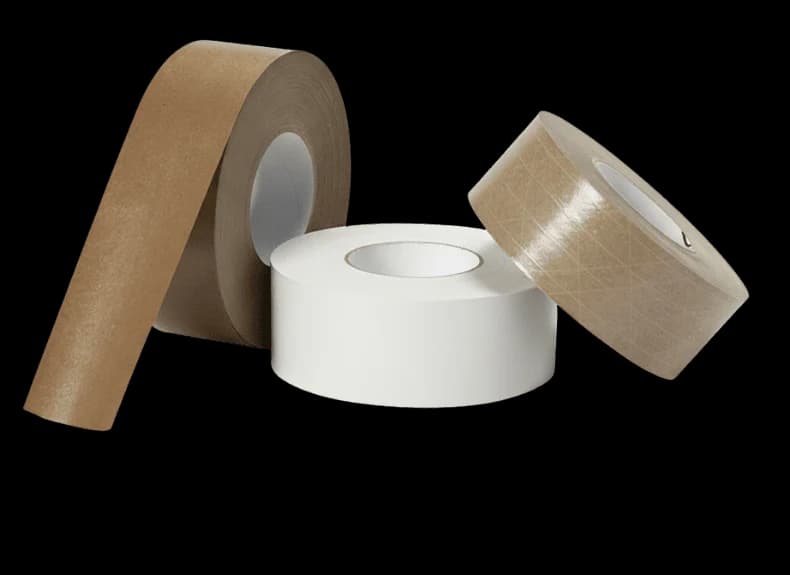


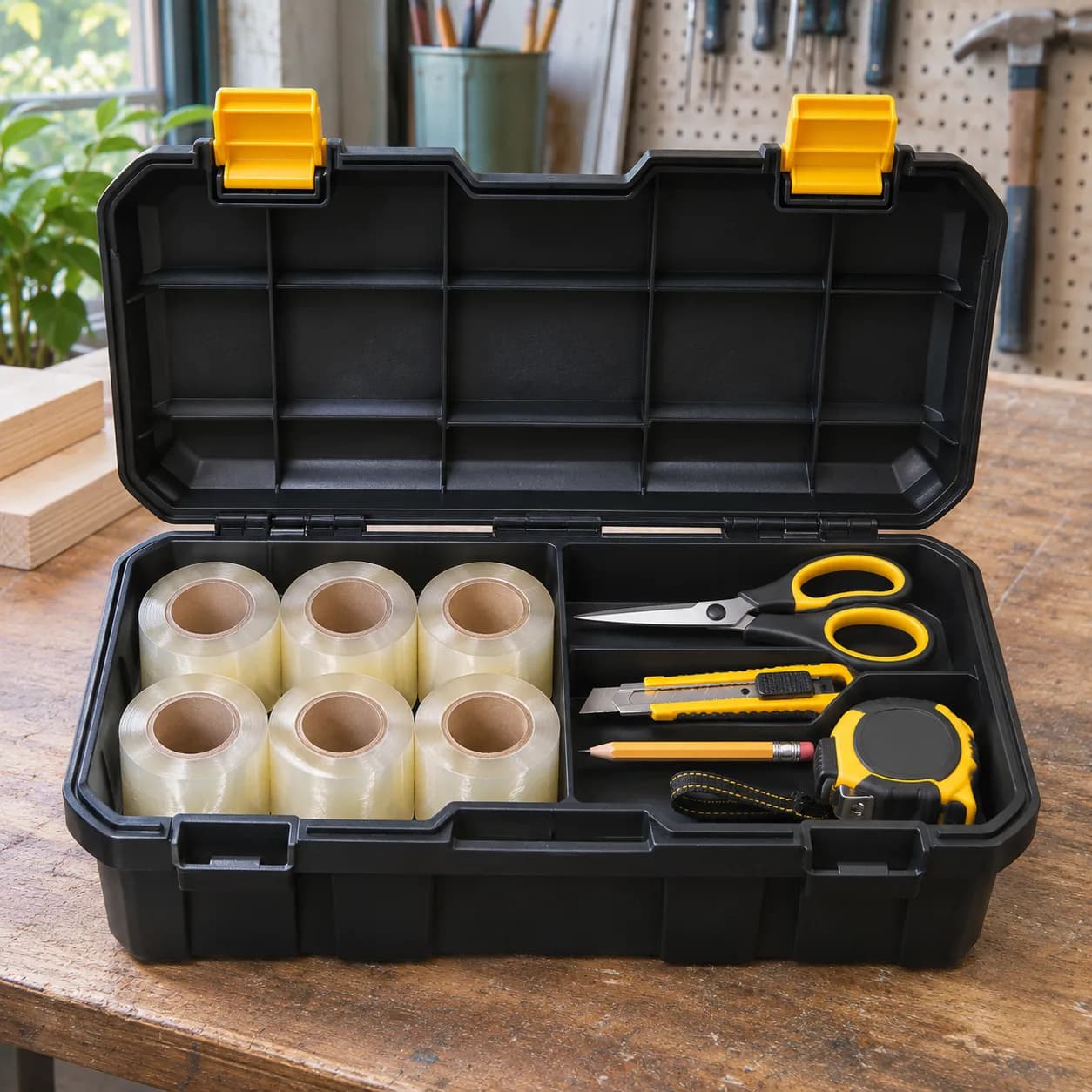

A scratch on a new stainless steel sheet, a splash of cement on a window or a scuffed kitchen panel can turn a finished product into a rejected one. Surface protection film prevents this. It is applied when the surface is new, stays on through cutting, transport and installation, and is peeled off at the end, leaving the surface as it left the factory.
This guide explains what protection film is, where it is used and how to choose the right one, so the film protects well and comes off cleanly.
What is surface protection film?
Surface protection film, also called protective film or protection sheet, is a thin self-adhesive plastic film. Most is made from polyethylene (PE), often low-density polyethylene (LDPE), with a light pressure-sensitive adhesive on one side. The adhesive is designed to hold firmly while the job is in progress, yet release cleanly when the film is removed.
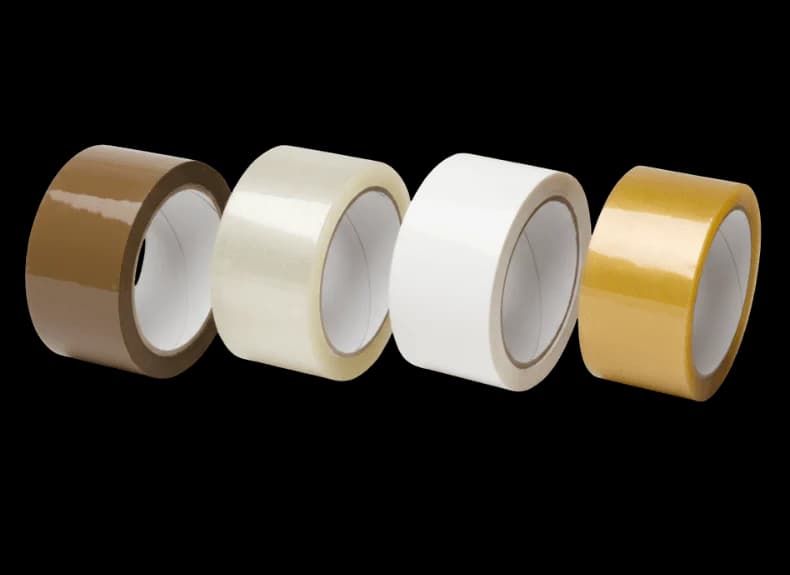
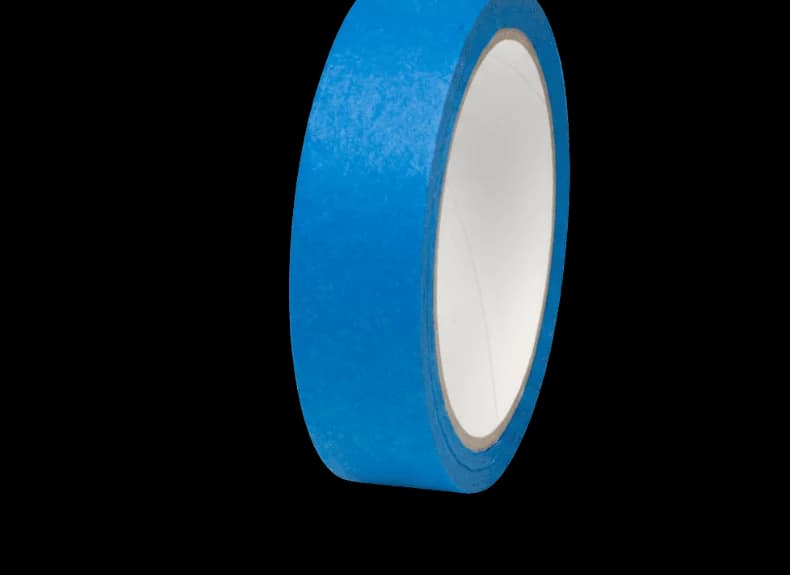
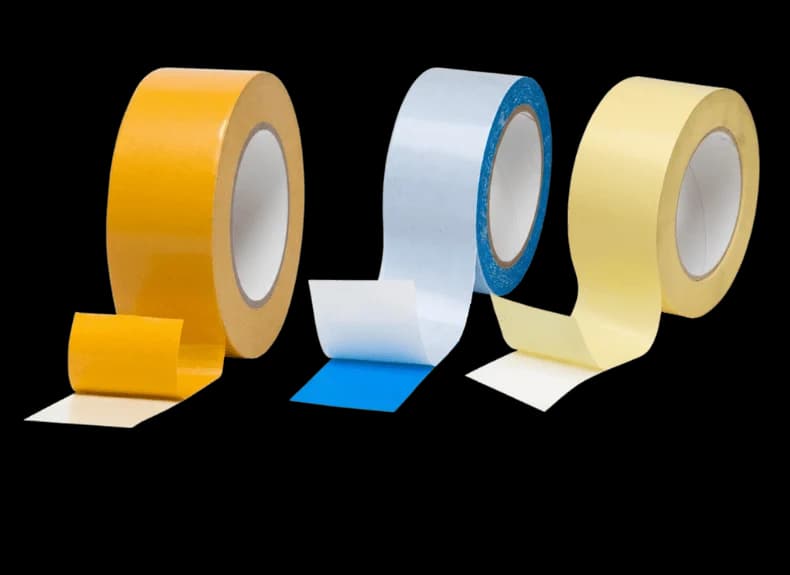
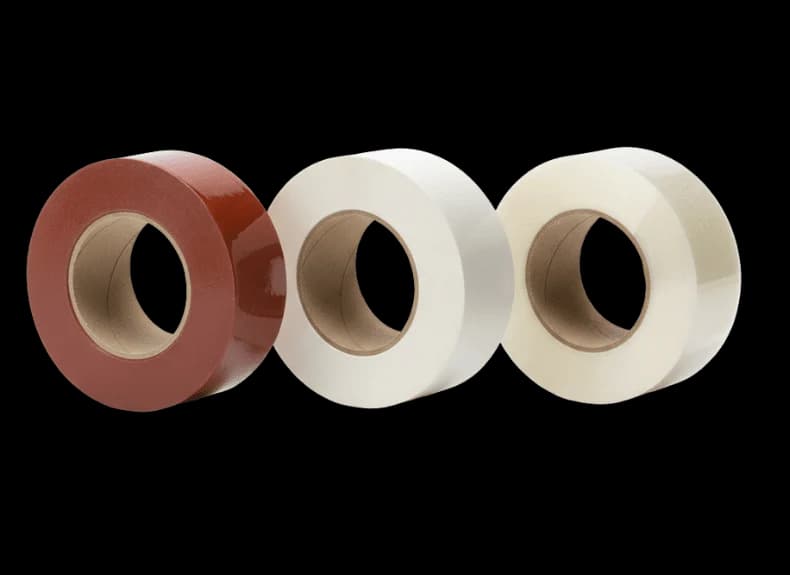
It comes in clear, white, blue and black-and-white versions. Clear film lets you see the surface underneath. Coloured and black-and-white films block light and make it easy to see which parts are still protected.
Where it is used
- Metals: stainless steel sheets, aluminium sheets, composite panels and profiles, during cutting, bending and delivery.
- Glass and plastics: windows, mirrors, acrylic and polycarbonate sheets, which scratch easily.
- Furniture and fittings: kitchen panels, doors, laminated boards and appliances.
- Construction sites: floors, frames and fittings that must survive the rest of the building work.
How to choose the right film
1. Match the stick to the surface
The most important choice is how strongly the film sticks, often called its adhesion or peel strength. As a rule, smooth surfaces need less stick and rough ones need more.
- Light stick: glass, mirrors, glossy and polished surfaces.
- Medium stick: stainless steel, painted and laminated panels.
- Strong stick: textured, brushed and powder-coated surfaces.
Too little stick and the film lifts at the edges during work. Too much and it can be hard to remove or leave glue behind. Film makers publish adhesion values for each product, and the right one depends on your exact surface, so a small test is always worthwhile.
2. Indoor or outdoor
Standard films are made for indoor use and short periods. Sunlight breaks down film and adhesive, so a film left outside can become brittle and leave glue on the surface. If parts will stand outdoors, ask for a UV-stabilised film and keep to its recommended time outdoors.
3. Thickness and strength
Thicker film gives more protection against knocks and is easier to peel in one piece. Thinner film is lighter and more economical for surfaces that only need protection from dust and light scratches.
4. Will it go through processing?
If the sheet will be laser-cut, bent or formed with the film on, say so when you order. Some films are made to stay on through these processes without tearing or lifting.
How to apply and remove it
- Start clean and dry. Dust, oil or moisture under the film weaken the bond and can mark the surface.
- Apply smoothly. Lay the film flat without bubbles or creases, by hand, with a roller or on the production line.
- Do not leave it on too long. Remove the film within the time the maker recommends. Adhesion can increase with time and heat, which makes removal harder.
- Peel slowly at a low angle, ideally at normal room temperature. Very cold film can be stiff and difficult to release.
Common mistakes to avoid
- Using an indoor film on parts that stand in the sun for weeks.
- Choosing a strong-stick film for glass or polished metal.
- Leaving film on long after installation "to be safe".
- Applying film to a surface that is still wet from cleaning or painting.
Get the right protection film
Tell us the surface, how long the film needs to stay on and whether the parts will be cut or stored outdoors, and we will suggest a suitable film. See our surface protection film or request a quote from our team in Lahore.